
Evidence that decision makers can use
Short, clear briefs that turn research into practical options for government, development partners and civil society. Each brief explains the problem, what the evidence shows, who is affected and what can be done.
Commission a policy brief Research libraryEvidence in action
When SRA evidence reaches government, Parliament, the courts or the public debate, we record it here.
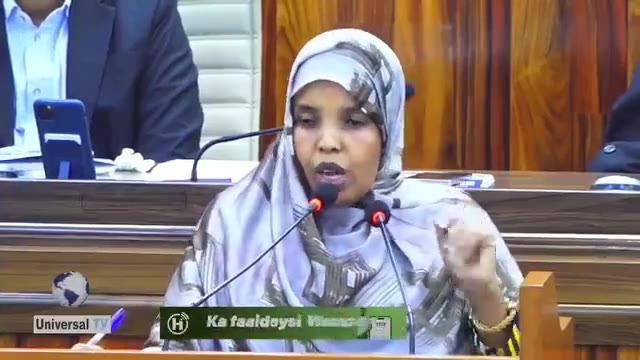
From SRA data to Parliament: the ministry salary gap
An SRA flash card showed that the Ministry of Finance spent 1.8 times more on salaries in 2025 than the three production ministries combined. On 28 October 2026, Hon. Faaisa Jeyte raised the gap in the Federal Parliament.
Read the story → All policy impact →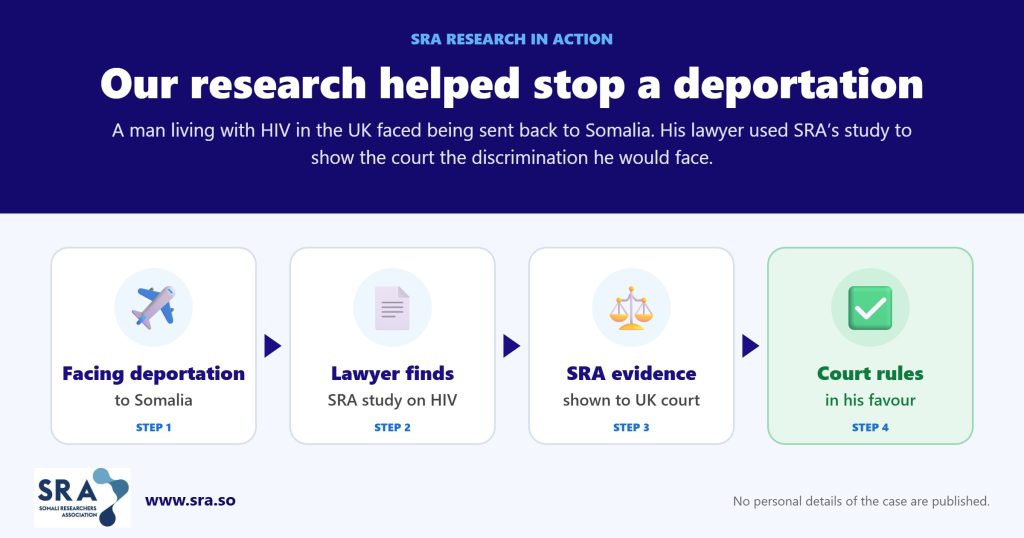
From SRA research to a UK courtroom
A UK solicitor used SRA’s study on HIV discrimination in Somalia, and an SRA expert report, in a deportation appeal for a man living with HIV. The appeal succeeded.
Read the story →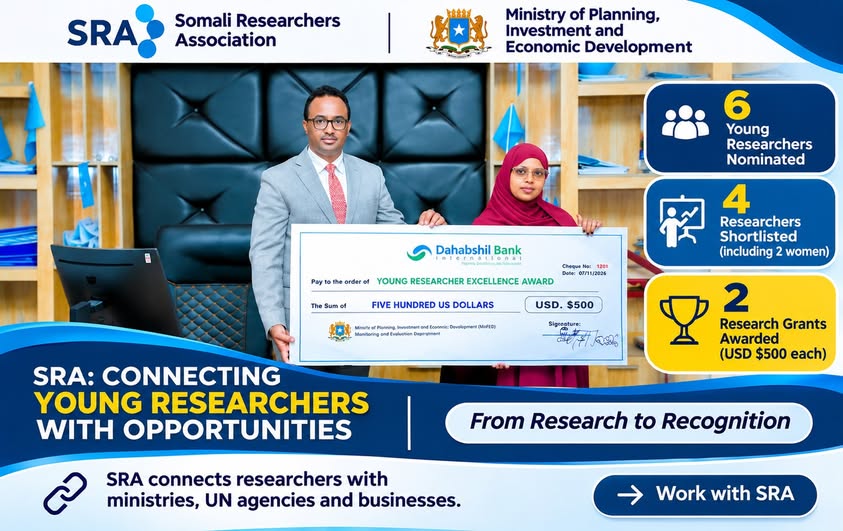
Opening doors for young researchers: SRA and the Ministry of Planning
When the Ministry of Planning’s M&E Department looked for young researchers, it came to SRA. SRA nominated six junior researchers from its network, and four were shortlisted to present their work to government.
Read the story →What a policy brief includes
The issue
A plain description of the policy problem and why it matters now.
The evidence
Key findings and data, with sources, in charts a busy reader can follow.
Who is affected
The groups, regions and institutions most affected.
Policy implications
What the evidence means for current laws, budgets and programmes.
Recommendations
Practical, realistic options for decision makers.
References
Sources and notes on the methods used.
Areas of focus
Our publication standards
Accuracy, independence and responsible use of evidence. Every figure is sourced, and recommendations follow from the findings.
Start from the data
Our 100+ flash cards and research library already cover many policy questions, and can be developed into a full brief.
Commission a policy brief
For government bodies, development partners and NGOs. Tell us the policy question, your audience and your deadline.